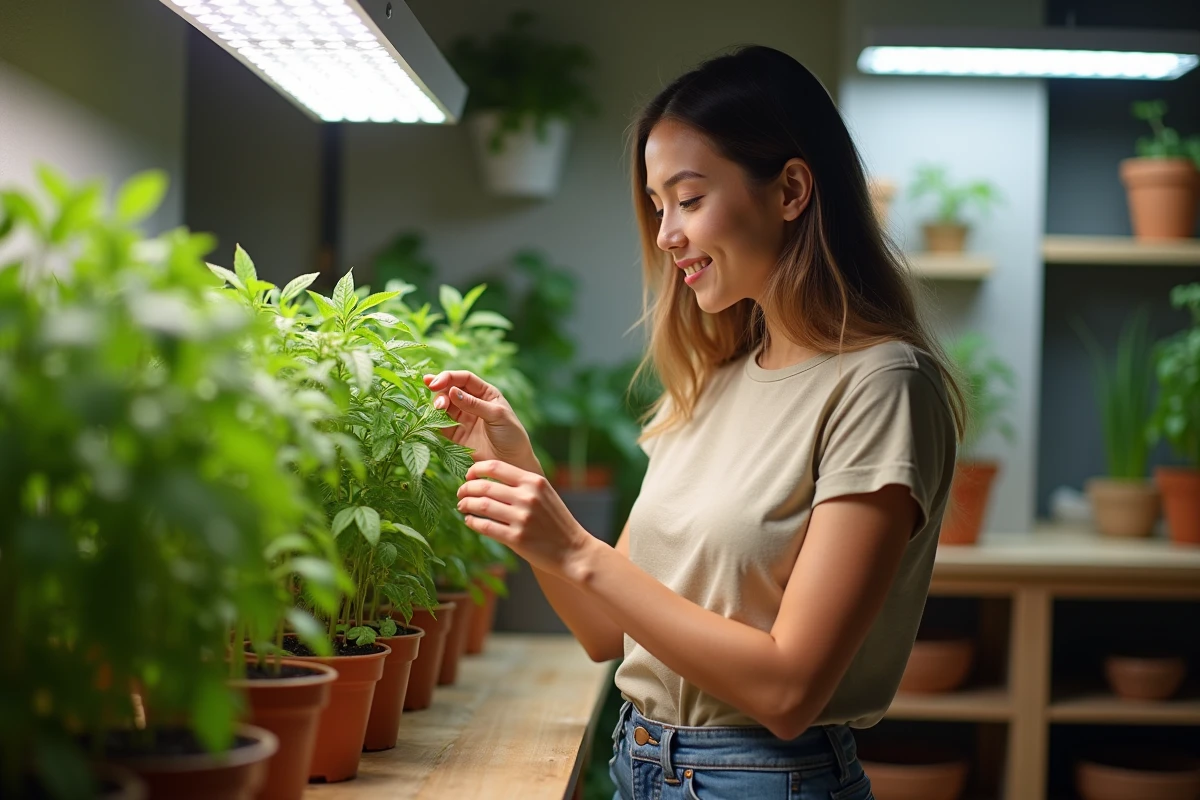
The optimal light intensity does not solely depend on the power of the bulbs, but also on the spectrum suited to each phase of plant growth. Certain wavelengths, often overlooked, play a decisive role in photosynthesis and plant health.
Common mistakes, such as improper lamp positioning or choosing an unsuitable color temperature, limit yield, even with state-of-the-art equipment. Recent advances in LED technology now allow for correcting these biases and precisely adjusting light parameters for significantly improved growth in controlled environments.
Why LED light is a game changer for indoor plant growth
Plant development does not tolerate approximation. Thanks to LED, light becomes a precision tool, capable of adjusting exactly to the plant’s needs. Where old bulbs heated up for little benefit and struggled to hit the mark, horticultural LED reshuffles the cards. Customization of the spectrum, low heat emission, savings on energy bills: every aspect has been designed to satisfy both meticulous gardeners and passionate amateurs.
A high-performance horticultural LED lighting now offers an unprecedented level of control over growth and flowering. The main advantage? A spectrum adjusted to each life phase:
- Growth period: blue dominance for thick leaves and strong roots.
- Flowering: red prevails, and flowers gain density and abundance.
By modulating the intensity and the distance between the lamp and the canopy, we further refine the response for each species grown in a greenhouse or dedicated closet. Indoor cultivation is now benefiting from a turning point: less energy wasted, less excess heat, and control over the growth schedule. With horticultural LED, the unpredictability of the climate or the weakness of winter sun is no longer a hindrance. For each plant, a tailored light aims for a generous and controlled harvest, without waste or compromise on quality.
What essential criteria to choose truly suitable horticultural LED lighting for your needs?
Before any installation, two determining parameters must be identified: the area to be lit and the specific type of crops. The needs of a mini aromatic garden are not the same as those of a shelf of young vegetable seedlings. The power (expressed in watts) must match the reality on the ground: neither undersized nor oversized.
Also examine the quality of the light spectrum offered. A well-designed system provides blue for growth, red for flowering, and the ability to modulate the input according to cycles. High-performance models allow for fine adjustment of intensity to meet the requirements of each plant, from seedling to adult stage.
Energy efficiency remains a key selection criterion: it is about finding the right balance between consumption and light output. The position of the lamp is equally crucial: too close, watch out for burns; too far away, growth stagnates.
To guide you, here are the points to examine before choosing:
- Area to cover: multiply or reduce modules according to the space configuration.
- Power and intensity: adjust settings to the growth rhythm of your plants.
- Features: choose systems equipped with dimmers or timers to automate the light cycle.
A consultation with specialists can help refine your selection, taking into account the layout of your room or the type of cultivation planned. Investing in the quality of components and the durability of LEDs secures your harvests for the seasons to come.
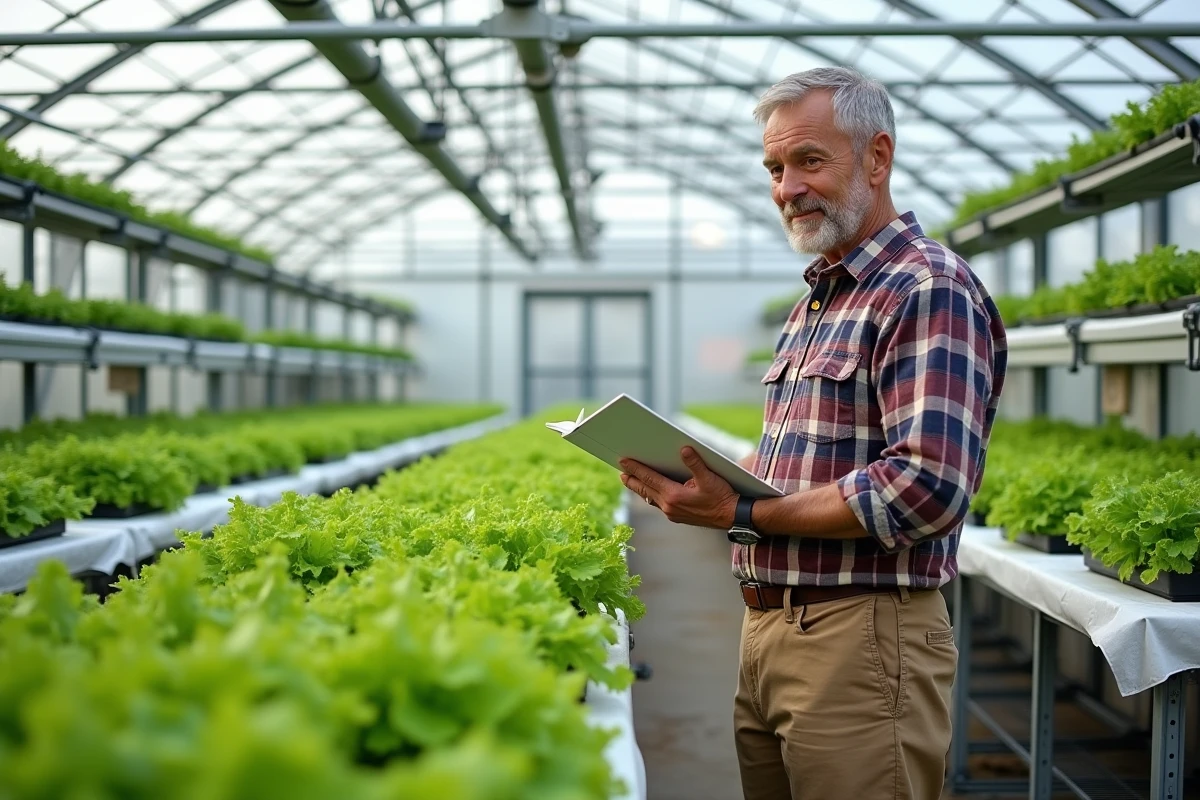
Avoid common mistakes and adopt best practices for successful indoor cultivation
Installing the best technology is not enough: success also depends on daily actions. Too much light, or not enough, a poorly adjusted distance between the lamp and the canopy, and results may be delayed. For each stage, adjust the height: bring the source closer at the start, space it slightly during flowering. This monitoring prevents stress and encourages harmonious development.
The light cycle must remain consistent. Too long exposure tires the plant; too short a duration hinders its growth. Vary the duration according to the variety and stage, using a reliable timer to establish the right rhythm and ensure consistency.
Keep an eye on the entire environment: effective ventilation removes residual heat, limits the risk of mold, and facilitates gas exchange, vital for indoor plants. Temperature, humidity, substrate quality: each parameter adds up and influences the overall health of your crops.
To ensure the performance of your setup, adopt these reflexes:
- Frequently check the condition of your lamps: detect any drop in intensity or anomalies.
- Remember to clean the lenses to maintain a uniform light diffusion.
- Adjust the light spectrum according to the phase: growth or flowering, tweak the parameters.
Indoor cultivation is a matter of details and careful observation. Leave nothing to chance: it is in the precision of adjustments and regular monitoring that abundant harvests and healthy plants are shaped. Ultimately, well-thought-out lighting is not just an accessory: it becomes the backbone of any successful plant endeavor indoors.