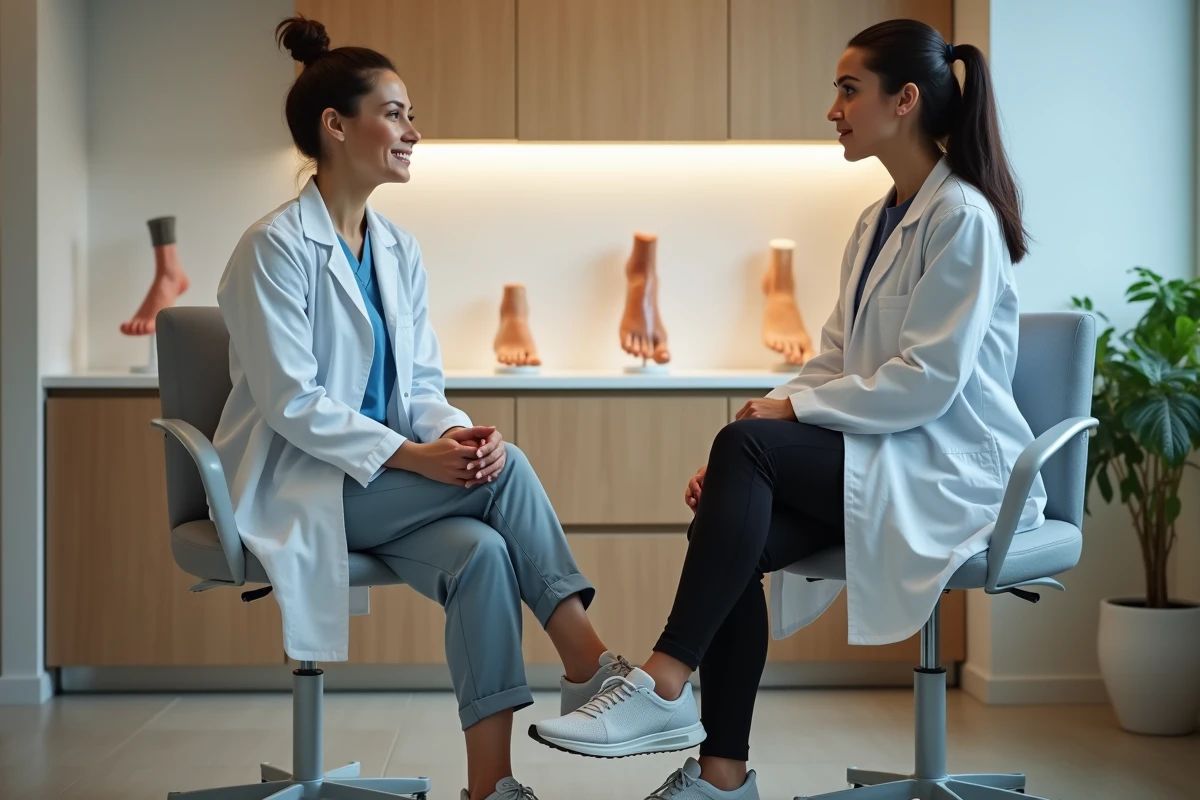
Skechers shoes, often praised for their flexibility and cushioning, do not only have fans among foot professionals. On the ground, the reality is less flattering: each week, podiatrists see patients whose foot pain has worsened from relying on overly soft insoles or wide sneakers that are supposed to fix everything. It’s the paradox: where the softness of the sole reassures, it can actually trigger instability, micro-traumas, and, over time, real pathologies.
Recommendations abound, but they vary depending on the case: after a sprain or facing a deformed foot, it’s impossible to provide a one-size-fits-all answer. Technical details, sometimes invisible at the time of purchase, make all the difference, such as the shape of the sole, heel support, and width of the shoe. And regarding trendy brands, the debate remains open: popularity guarantees nothing, especially in the presence of issues like overpronation or Morton’s neuroma.
Shoes to Avoid: What Podiatrists Really Criticize About Skechers and Other Popular Models
In the office, discussions are lively. Podiatrists’ opinions on Skechers shoes highlight recurring weaknesses, widely discussed among practitioners and confirmed by patient experiences. The extra-soft sole, the brand’s signature, catches the eye and reassures at first. But behind this apparent comfort often lie concrete problems: instability while walking, loss of reference points, issues that initially manifest as discomfort and then settle in permanently, especially for those suffering from overpronation or Morton’s neuroma.
Another constant complaint is the generous width, which, far from providing comfort, sometimes does more harm than good. Slipping heels, floating feet, everyday movements becoming risky. This constant looseness undermines the natural mechanics of the step. Over time, this lack of support paves the way for chronic pain and fatigue that accumulates insidiously.
The problem is not limited to Skechers. Other shoes, too flat or equipped with overly cushioned soles, also pose specific issues. To better identify the most common risks, here are the situations frequently noted by professionals:
- Narrow shoes: toes are compressed, leading to the appearance of corns, deformities like bunions, and diffuse pain.
- High heels: body weight shifts forward, the plantar area absorbs everything. Result: fatigue, stiffness, recurring pain.
- Excessively soft soles: the foot loses all stability, posture becomes uncertain, problems settle in the medium term.
To limit damage, it becomes essential to select a shoe that precisely matches the shape of one’s foot, lifestyle, or any sensitivities. For each morphology, there is a subtle alchemy between flexibility, firmness, and firm support, which, according to podiatrists’ feedback, allows for a natural, pain-free walk.
After an Injury or in Case of Pain, How to Choose the Right Pair Without Mistakes?
Selecting a new shoe after an injury requires method and self-awareness. At this stage, all promises of universal models fall flat: the reality is that each case calls for tailored care, a choice made with precision. In practice, everything starts with a detailed assessment of the arch, walking habits, and individual points of fragility.
Depending on the profiles, the use of custom orthotics significantly changes the game. For others, the key will be to balance enough firmness with the right amount of cushioning, without ever neglecting stability. The habit of consulting a professional, especially after trauma or in the face of long-ignored pain, proves to be crucial.
To gain clarity, considering the experiences of others facing the same issues often makes a difference. Their opinions specify the concrete advantages of shoes tested daily or in the context of resuming activity, far removed from marketing rhetoric. This cross-referencing of information, enriched by the keen eye of the podiatrist, is worth more than all the technical sheets.
To avoid disappointments, several habits should be prioritized:
- Before any change, seek advice from a specialist, especially after an injury or persistent pain.
- Have your shoes examined if any doubt arises, particularly in the case of orthotics or unusual wear.
- Never sacrifice real comfort for an attractive price: the feel when worn should guide the choice to protect your joints.
This process requires time, listening, and sometimes multiple trials. The right pair cannot be guessed from a label: it must be experienced, adjusted, and validated over time through use and regained sensations.

Overpronation, Morton’s Neuroma: Understanding These Issues to Adapt Your Shoes Daily
It’s impossible to generalize when it comes to the human foot. For those prone to overpronation, each step accentuates the internal collapse of the arch. Pain sets in, sometimes radiating up the leg. Podiatrists emphasize: a shoe that guides the step but allows the foot enough space to move freely makes all the difference in daily life.
For Morton’s neuroma, the experience is quite different. This compressed nerve, trapped between two toes, finds fertile ground as soon as a shoe is too narrow or a heel too high. The result is burning, tingling, and sharp pain under the foot. To limit aggravation, sufficient space at the front is imperative, as is vigilance regarding the pressure exerted while walking.
Each profile has its constraints, but some simple principles apply broadly. Here are concrete recommendations for adaptation:
- Favor soft materials that can follow the shape of the foot without compressing it.
- Regularly monitor the condition of the soles: excessive wear exacerbates imbalances, regardless of the chosen models.
- Check the space at the front of the foot: a slight lack of width is enough to revive or worsen discomfort.
The path to comfortable walking does not rely on a brand or a single promise. It is written through careful attention to the body’s signals, precise adjustments, and thoughtful choices. Choosing shoes wisely means giving yourself the opportunity to re-appropriate each step, to move forward more, without even thinking about it.