
An osteopath who spends more time managing appointment reminders than treating patients, a sophrologist juggling between three platforms to bill, a physiotherapist looking for a colleague for a shared protocol without finding a reliable channel: these situations contribute to organizational fatigue that adds to the clinical workload. Wellness and health professionals need solutions designed for their daily reality, not generic tools repurposed from their initial use.
Coordination and digital tools tailored for health practitioners
The first irritant encountered in the field is the fragmentation of tools. A private practitioner often uses one software for appointment scheduling, another for accounting, and a third for patient follow-up. None of them communicate with each other.
The emerging solutions combine these functions in a single environment: shared calendar, automated billing, secure messaging between professionals. For multidisciplinary practices, inter-professional coordination becomes a software selection criterion, not just a bonus.
The law of December 26, 2023, on access to care through trust in health professionals reinforces task delegation and cooperation between disciplines. This regulatory framework encourages practitioners to adopt city-hospital coordination platforms and shared digital protocols. There are now services that combine local networking and common tracking tools, reducing duplicate examinations and speeding up care.
To identify resources and services that specifically target these needs, one can consult the dedicated page for professionals at Art de Guérir, which lists support aimed at wellness practitioners.
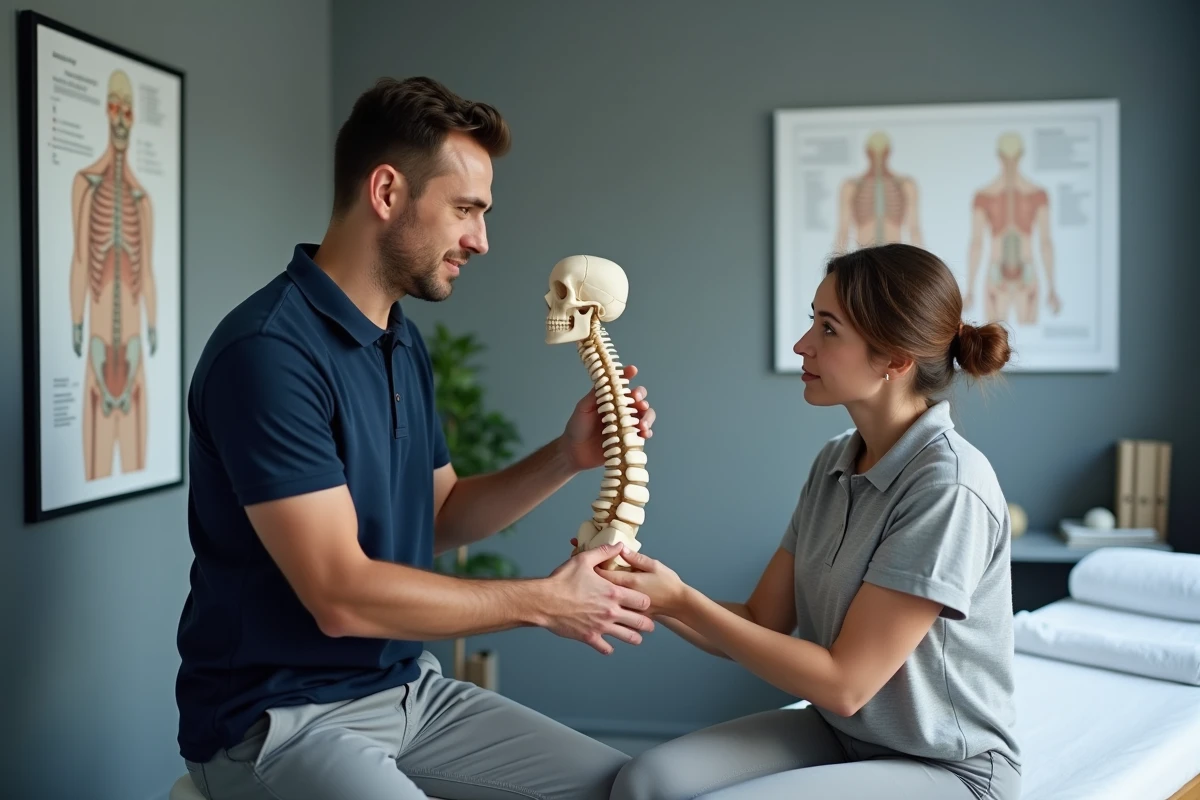
Online continuing education for wellness practitioners
Training remains an underutilized lever. Many professionals train in isolation, on generalist platforms that do not take into account the specifics of their practice.
Professional training dedicated to the health and wellness sector covers specific areas:
- Stress management and prevention of professional burnout, with modules designed for practitioners who themselves support suffering patients
- Complementary techniques (aromatherapy, mindfulness meditation, advanced manual therapy) validated by certified training organizations
- Entrepreneurial skills: structuring one’s private practice, setting fees, developing a patient base without falling into aggressive marketing
An online training program tailored for the private practitioner saves considerable time compared to multi-day in-person courses, which are often incompatible with a busy consultation schedule.
Choosing a suitable training organization
It is recommended to check three points before committing: the Qualiopi certification of the organization, the presence of trainers who are themselves practicing professionals, and the possibility of financing the training through DPC or FIF-PL. Feedback varies on this point depending on the disciplines, but these criteria already filter out the majority of less serious offers.
Psychological support for caregivers: beyond traditional systems
The psychological support units established in hospitals have shown their limits. Several university hospitals have noted a decline in the sustainable use of these systems after the initial launch phase. The classic format (on-site permanence, fixed slots) does not correspond to the staggered rhythms of caregivers.
Hybrid services are gaining ground: psychological teleconsultation available in the evening or on weekends, mood tracking applications with automated alerts, peer support groups via videoconference. The national strategy “My psychological support,” enhanced on February 1, 2024, with an increase in the number of reimbursed sessions and an expansion of beneficiaries, opens up space for digital solutions connecting doctors, psychologists, and patients.
Prevention of psychosocial risks in private practice
There is much talk of psychosocial risks in hospitals, but less so in private practice. A practitioner alone in their office absorbs the same emotional burden without a collective safety net. Services that offer peer supervision or remote practice analysis meet this specific need.
Specifically, this takes the form of:
- Group supervision sessions via videoconference, led by a psychologist specialized in supporting caregivers
- Anonymized exchange platforms where practitioners share difficult situations without risk of confidentiality breaches
- Burnout prevention programs incorporating workload indicators (number of consultations, time slots) to trigger early alerts

Developing clientele and structuring activities without losing energy
A wellness practitioner starting out or looking to consolidate their practice faces a paradox: it takes time to develop visibility, but every hour spent on communication is an hour taken away from clinical practice.
Effective professional support solutions in this segment share a common trait: they automate administrative tasks to free up clinical time. Appointment reminders via SMS, synchronization with third-party billing software, automatic generation of activity reports for URSSAF.
Local SEO on specialized health and wellness directories also carries significant weight. A practitioner well-positioned on a quality directory receives qualified requests, whereas a scattered presence on social media generates noise without real conversion into consultations.
Quality of life at work for the private practitioner
The ergonomics of the practitioner’s own workstation is often overlooked. An osteopath who spends eight hours performing manipulations without an adjustable table, a psychologist whose poorly soundproofed office generates cumulative auditory fatigue: the quality of life at work for the practitioner conditions the quality of care delivered.
Investing in one’s own work environment is part of the services not to be neglected. Some support programs now include an ergonomic audit of the office, along with recommendations on layout, lighting, and sound management. This type of service remains marginal, but practitioners who use it report a notable reduction in their fatigue at the end of the day.