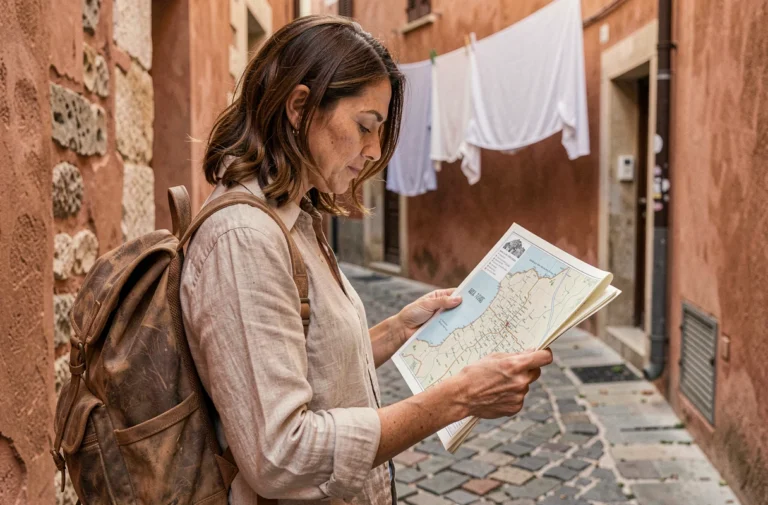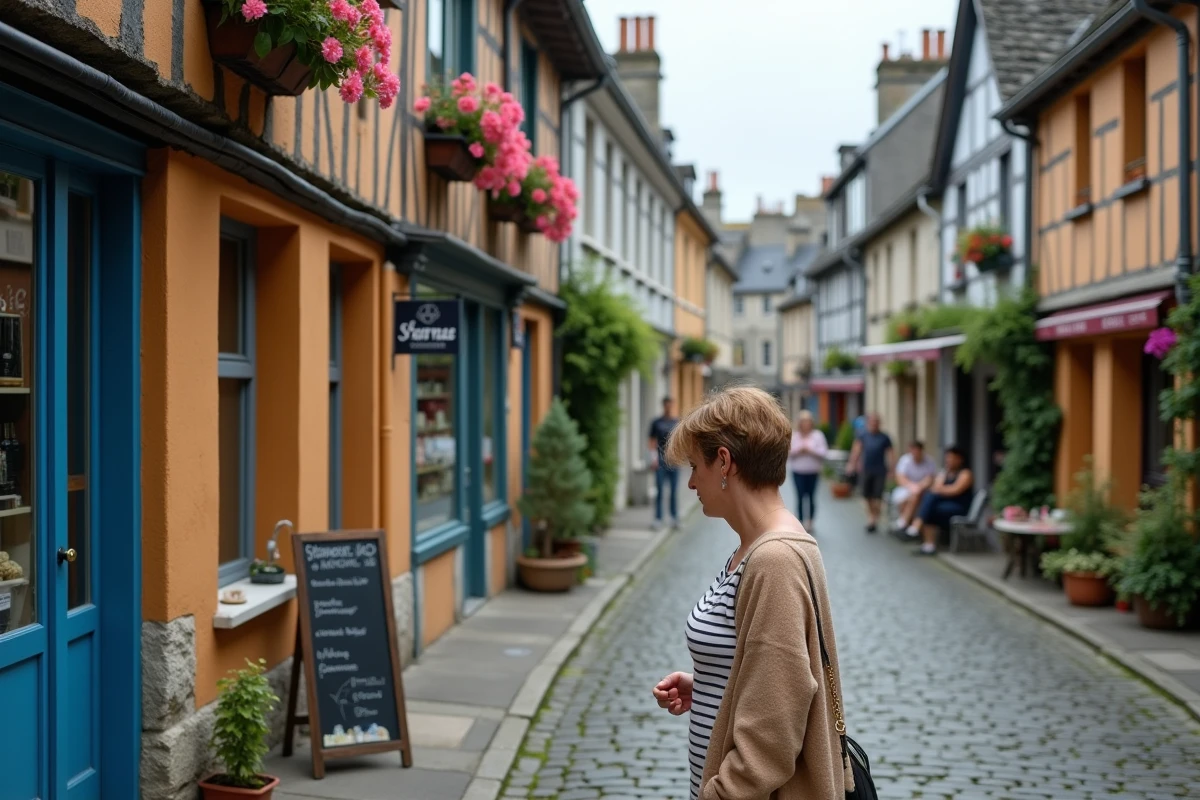
Quimper is not just about the Saint-Corentin Cathedral and the banks of the Odet. Over the past two or three years, the city has seen new addresses emerge and a denser cultural program. Measuring this renewal requires comparing what general guides recommend and what the city actually offers today.
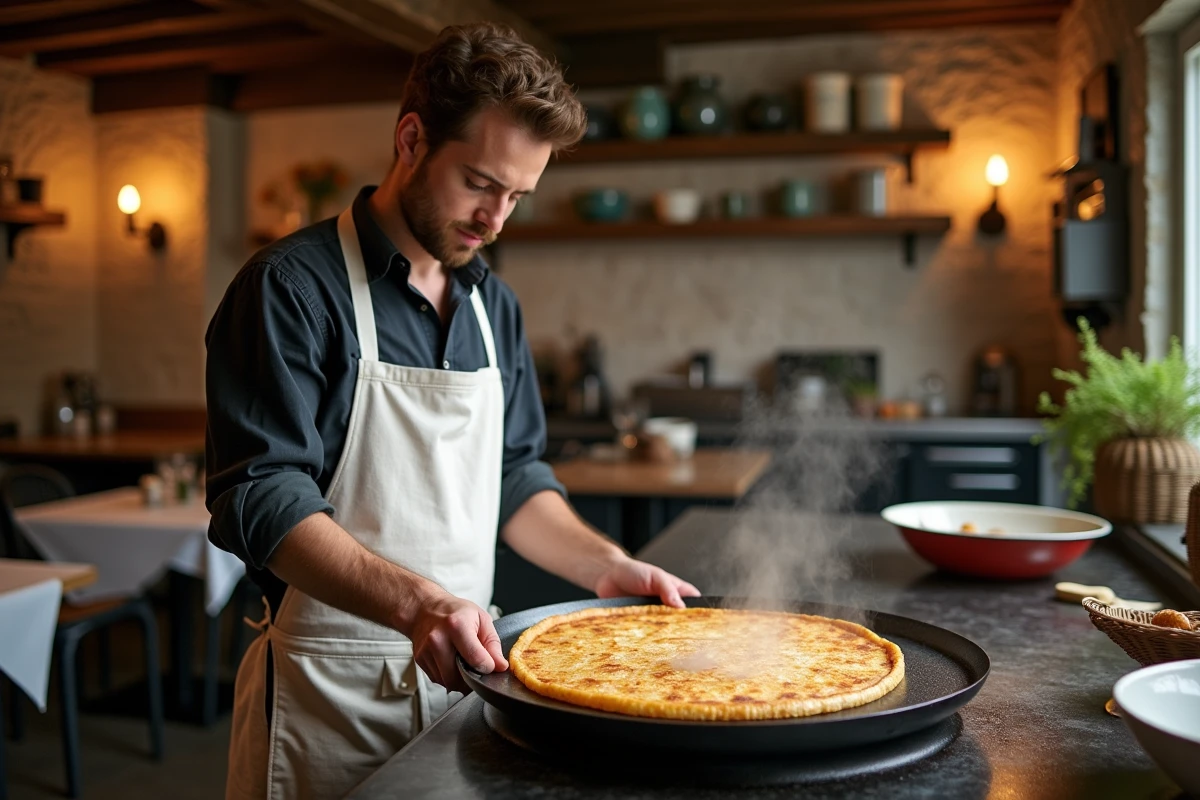
Coffee shops, locavore restaurants, and the food scene in Quimper: what has changed
Online guides about Quimper still heavily direct visitors to the creperies in the center and the Saint-François market. However, the Quimper food scene has evolved, and the gaps between usual recommendations and the actual offerings deserve to be clearly outlined.
| Type of address | Present in classic guides | Recent emergence (2022-2024) |
|---|---|---|
| Traditional creperies | Yes, widely covered | Stable offer, little renewal |
| Locavore restaurants | Rarely mentioned | Sainbioz, creative cuisine from producers in Cornouaille |
| Specialty coffee shops | Absent from guides | Coffee on Crêpes, Le Cosy, frequented by students and remote workers |
| Markets and fairs | Only Saint-François market | Occasional producer markets in the city center |
The restaurant Sainbioz, highlighted by Le Télégramme as part of the new wave of Quimper dining since 2023, works directly with producers from Cornouaille. This creative locavore positioning contrasts with the usual generalist addresses promoted.
Specialty coffee shops remain absent from guides even though they have become regular meeting spots. Coffee on Crêpes and Le Cosy are mentioned by local press (Ouest-France, 2023-2024) as gathering points for a young clientele, in a city center that lacked such places.
To spot occasional events, markets, or recent openings, the So Quimper website aggregates some of this local news that escapes national tourist platforms.
Cultural programming in Quimper beyond the Festival de Cornouaille
The Festival de Cornouaille monopolizes the cultural visibility of the city in most articles. This is a blind spot: Quimper has expanded its programming for the rest of the year, and these regular events change the game for those visiting the city outside the summer season.
The Quimper Bretagne Occidentale Jazz Festival, relaunched and expanded since the pandemic, offers a program every autumn that attracts national and international artists. France 3 Bretagne covered its 2023 edition, a sign of a noticeable upgrade.
The Théâtre de Cornouaille, a national stage, hosts numerous residencies and free or low-cost concerts throughout the year. The network of media libraries complements this offer with regular events. For visitors, this means that a stay in Quimper in autumn or winter is no longer synonymous with a sleepy town.
- Jazz Festival in autumn: national and international programming, accessible ticketing
- Théâtre de Cornouaille: artist residencies, discounted shows, programming outside summer
- Media libraries: exhibitions, meetings, occasional concerts open to all
However, these events are still poorly referenced on major tourist platforms. One must consult local websites or the Quimper Cornouaille tourist office for precise dates.
Locmaria district and banks of the Odet: two underutilized micro-zones
Guides mention Locmaria for its pottery and the banks of the Odet for walking. They stop there. These two micro-zones, however, offer an interest that goes beyond mere tourist passage.
Locmaria concentrates Roman heritage, art workshops, and calm banks within a small area. The Roman church, predating the Saint-Corentin Cathedral, remains less visited compared to its surroundings. The pottery workshops still active in the district allow visitors to observe Breton craftsmanship without the museum queue.
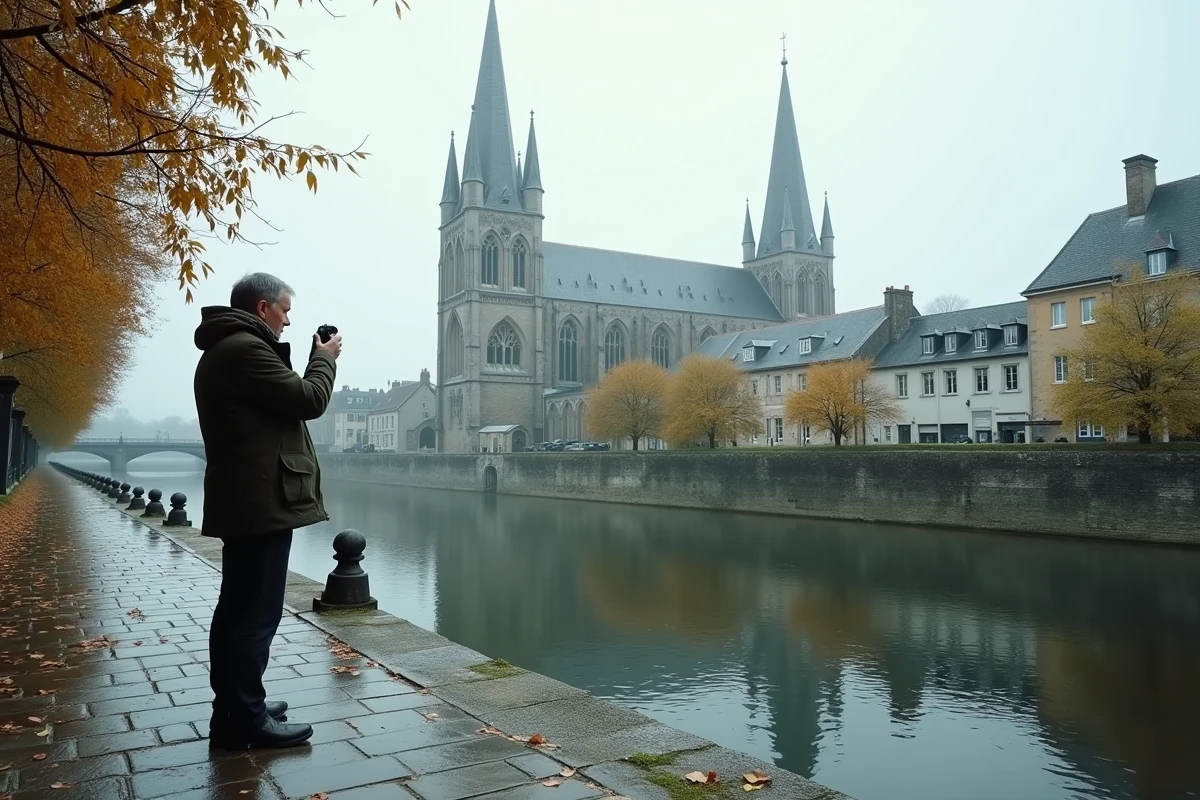
The banks of the Odet, downstream from the city center, offer a walking route that connects to wooded areas in just a few minutes. It is one of the few urban routes in Brittany where one can transition from a historic center to an almost rural environment without taking a car.
- Locmaria: Roman church, active pottery workshops, banks of the Odet accessible on foot from the center
- Flowered quays: a walk between footbridges and gardens, awarded by the National Flowering Grand Prix
- Garden of the Retirement: a medieval enclosed garden overlooking the area, accessible for free, often overlooked by quick tours
Old Quimper and Kéréon Street: seeing the city differently
Kéréon Street and the half-timbered houses of old Quimper appear in every guide. Visiting them without architectural references is like passing by the facades without gaining much.
The half-timbered houses in the center mostly date from the 16th and 17th centuries. Their concentration around Saint-Corentin Square and Kéréon Street is no coincidence: these streets corresponded to major commercial axes, close to the confluence of the Odet and the Steir. Observing the corbels, facade sculptures, and height differences between buildings allows one to reconstruct the social hierarchy of the district.
The departmental Breton museum, located in the former episcopal palace, complements this architectural reading with collections covering several centuries of Cornouaille history. The Fine Arts Museum, in Saint-Corentin Square, houses Flemish paintings and a collection related to the Pont-Aven school.
The patrimonial density of Quimper, labeled City of Art and History, is measured by the variety of accessible registers within a few hundred meters: civil architecture, religious art, pottery, and painting coexist in a pedestrian area.
The renewal of Quimper does not rely on a grand urban project or a spectacular transformation. It is due to the accumulation of micro-changes: new restaurants, coffee shops, cultural programming spread throughout the year, neighborhoods rediscovered from a different angle. These adjustments, taken together, shape a city that evolves faster than the guides describe.