Rediscovering the flavors of yesteryear is like opening a window to the past. The richness of traditional dishes lies in their ability to tell stories, convey emotions, and pass down memories from one generation to the next. These recipes, often transmitted orally, are the result of meticulous know-how and patiently perfected techniques.
To highlight these culinary treasures, you must respect the original ingredients and traditional preparation methods. By revisiting these dishes, one can also adapt them with modern touches while preserving their essence. Each bite becomes an invitation to a unique sensory journey, between memory and innovation.
The Secrets of Ancestral Recipes: A Journey Through Time
Diving into the roots of Provençal cuisine is immersing oneself in a rich and varied tradition. Provence is known for its recipes of yesteryear that have stood the test of time, preserving unique skills. Provençal cuisine includes iconic dishes such as Marseille bouillabaisse, Sisteron pieds paquets, and aïoli. Each of these dishes tells a story, rooted in the terroir and seasons of this sunny region.
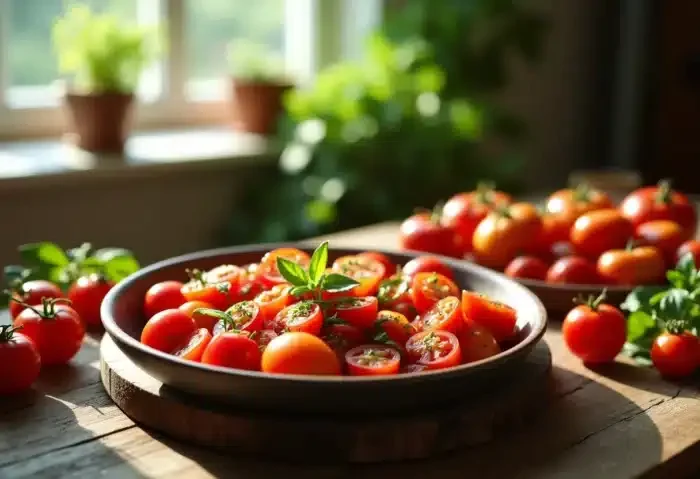
Provençal sweets are also an integral part of this culinary heritage. Calissons from Aix-en-Provence, with their almond paste and candied melon, and Marseille navettes, orange blossom biscuits, are must-try treats. Traditional Provençal vegetables such as tomatoes, eggplants, zucchini, and bell peppers are used in dishes like Provençal ratatouille, a true symphony of colors and flavors.
Homemade jams, made with red fruits, apricots, or quinces, are delights that evoke sunny mornings in Provence. Among the sweet treasures, the unmatched roast, a rare and precious specialty, showcases the regional culinary mastery. Provençal honeys and nougats from Provence complete this array of authentic flavors, ideal for food lovers seeking childhood memories.
Provence is also distinguished by its Provençal biscuits such as navettes, almond croquants, and canistrelli. These small treats, often enjoyed with coffee or tea, reflect family traditions where each recipe is carefully guarded and passed down through generations. The secrets of these ancestral recipes lie in the choice of local products and the preservation of cooking techniques that respect the ingredients and enhance their natural flavors.

Techniques and Tips to Enhance Traditional Dishes
To breathe new life into ancestral recipes, adopt cooking techniques that preserve the flavors and textures of the ingredients. For example, slow cooking allows the aromas to fully develop while retaining the tenderness of meats and the freshness of vegetables. Use herbs such as thyme, rosemary, and savoury to subtly flavor your dishes.
Spices also play a fundamental role in Provençal cuisine. Add saffron for a touch of color and depth, or Madagascar wild pepper for a unique spiciness. Star anise can also bring a sweet anise flavor, perfect for balancing tastes.
- Fresh basil, added at the end of cooking, enhances dishes with a bright aromatic note.
- Saffron is perfect for dishes like Marseille bouillabaisse where it adds a golden color and an unmatched flavor.
- Madagascar wild pepper adds an exotic and spicy touch.
For sweet lovers, organic herbal teas made from thyme, verbena, or lavender can be incorporated into desserts. A lavender syrup can, for example, transform a simple fruit salad into a memorable culinary experience. Seasonal local products are essential for authentic recipes. Tomatoes, eggplants, zucchini, and bell peppers, harvested at maturity, ensure dishes with intense and natural flavors.