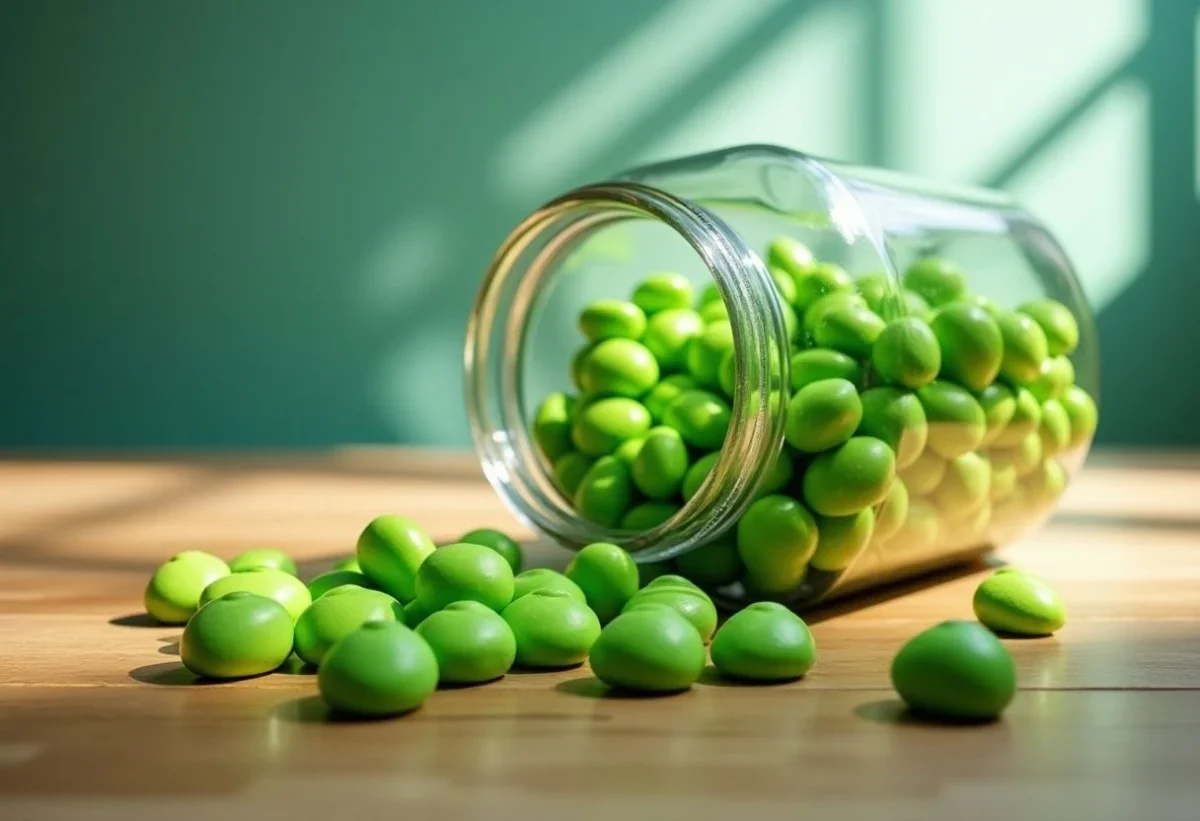
Candies, those little intoxicating treats, evoke childhood memories and moments of pure pleasure. Among the myriad of colors and flavors that delight our taste buds, the green candy stands out with its vibrant and mysterious appearance. What secrets does this emerald-hued treat hold? Why does it attract so much desire in candy shops around the world? Behind every green candy lies a rich story, filled with traditions, innovations, and diverse flavors ranging from the tangy notes of green apple to the sweet softness of melon.
Origins and Stories of Green Candy
The origins of green candy will certainly take candy lovers on a fascinating journey through time and cultures.
- In ancient times, candies were often made from fruits and honey. The Romans already used herbs and spices to color and flavor their confections.
- The Middle Ages saw the emergence of the first candies made from refined sugar, but it was during the Renaissance that colored candies truly began to flourish. Natural colorants derived from plants and minerals were prized for creating brightly colored treats.
- In the 19th century, industrialization allowed for the mass production of candies, making these sweets accessible to a larger number of people. It was during this time that green candies began to gain popularity, particularly due to the use of synthetic food colorings.
- Finally, in the 20th century, iconic brands like Haribo helped make green candy an essential version of candy assortments.
The Flavors Behind Green Candy
The green candy instantly evokes a palette of flavors that stimulate the taste buds.
The flavors of green candies are as varied as they are surprising. Most of the time, these little green treats draw their inspiration from nature.
The green apple, with its tangy taste and refreshing crispness, is probably the most emblematic flavor associated with this color. The melon stands out with its juicy and slightly sweet softness.
The mint, on the other hand, offers an unparalleled freshness and is often associated with digestive candies.
Finally, kiwi and lime add an exotic and slightly tangy touch, delighting those seeking an original taste experience.
The Role of Green Candy in Popular Culture
Popular culture has always been fascinated by candies, and the green candy holds a special place in the collective imagination.
In films and television series, colorful candies, especially green ones, are often used to evoke childhood, innocence, or indulgence. At fairs and amusement parks, these candies are staples, often distributed in large quantities to entice both young and old.
Green candies have also inspired artists, painters, and photographers, who have sought to capture the vibrancy of their colors and the joy they evoke.
In the world of music, artists have sung about their love for candies, associating them with sweet and pleasant memories.
Environmental Impact and Innovations in Green Candy Production
The production of green candies is constantly evolving to address current environmental challenges.
- Candy manufacturers are increasingly aware of their impact on the environment and are seeking to adopt more sustainable and planet-friendly practices.
- Notable innovations include the use of natural colorants derived from fruits and vegetables, thus reducing dependence on synthetic colorants.
- Biodegradable or recyclable packaging is gaining popularity, helping to reduce the ecological footprint of these sweet delights.
- Finally, initiatives aimed at reducing plastic waste in marine and terrestrial environments are becoming more numerous in the candy industry.