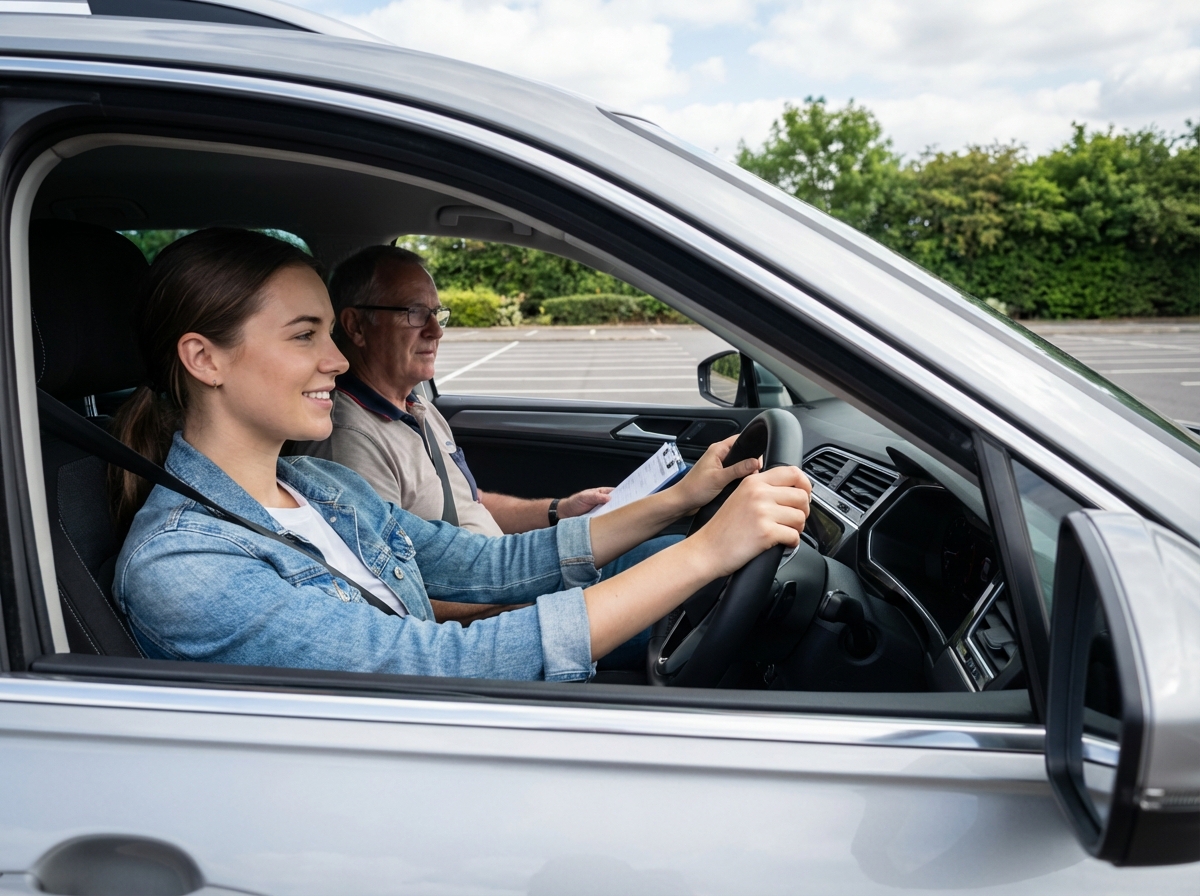
48%. This is not a distracted student’s score but the average pass rate for the driving license exam in France, across all sessions. From one examination center to another, the gap can exceed twenty points. The regulatory framework is constantly changing, adding a good dose of uncertainty to each candidate’s adventure.
An error of inattention, a misinterpreted sign, a forgotten turn signal: these details are enough to jeopardize obtaining the license. In the face of these pitfalls, organized preparation and mastery of the evaluation criteria become strong allies to maximize one’s chances.
Understanding the journey to obtain a driving license: steps, timelines, and formalities
Starting the journey towards the driving license in France means accepting to go through several steps, each paving the way for the next. Enrollment in a driving school lays the first stone: it involves choosing your establishment, gathering your file (identity document, census certificate or JAPD, compliant photos), and then obtaining your harmonized prefectural registration number, usually via FranceConnect or France Titres. This mandatory step prepares the ground for the theoretical test of the highway code.
The time before taking the code depends on the region and the availability of examination centers. Once this step is completed, the candidate enters the heart of the matter: practical training, where driving lessons and various situational exercises follow one another. For those who wish to enhance their experience before the exam, accompanied driving is an additional option.
To lighten the bill, several financial aids are available: mobilization of the CPF, specific scholarships, or payment facilities sometimes offered by driving schools. After passing the practical exam, the probationary license is issued for three years, with a capital of six points. In case of suspension or cancellation, one must go through the psychotechnical test for the license, a process explained in “How to effectively prepare for the psychotechnical test for the driving license?” on EuroZine.
At every stage, one must deal with local realities, the availability of inspectors, and sometimes extended timelines. Navigating this process requires method, anticipation, and sharp management of administrative tasks.
What practical advice to succeed in each phase, from the code to the practical exam?
To navigate the various stages of the driving license smoothly, it is better to adopt solid organization. The theoretical test requires regularity: plan your sessions, target the themes of the highway code that often come up, and practice with mock tests in real conditions. Take advantage of the tools and advice from your driving school, ask your instructor about the subtleties of signs or the questions that trip people up. Working on stress management, breathing, and concentration exercises can make a difference on exam day.
For driving, everything hinges on observation. Smooth driving, good anticipation of dangers, and constant attention to the environment are essential foundations. The hours spent behind the wheel count. Don’t hesitate to ask your instructor to vary the routes: traffic jams, countryside, tight parking. The more you diversify the situations, the more comfortable you will be.
Here is a list of levers to activate throughout your preparation:
- Prepare mentally: visualize each step, imagine yourself in the car facing the examiner, identify common mistakes to avoid them better.
- Manage your budget: anticipate additional costs, a few extra driving hours, a possible second attempt at the exam, and inform yourself about financial aids like the CPF.
- Communicate with your instructor: regularly ask for feedback, target your areas for improvement, discuss your weaknesses and progress.
On the day of the practical exam, meticulously prepare your documents, arrive on time, and choose comfortable clothing. If nerves rise, take a moment to breathe. The examiner expects you to respect the code, manage the vehicle smoothly, and react without panic to the unexpected.
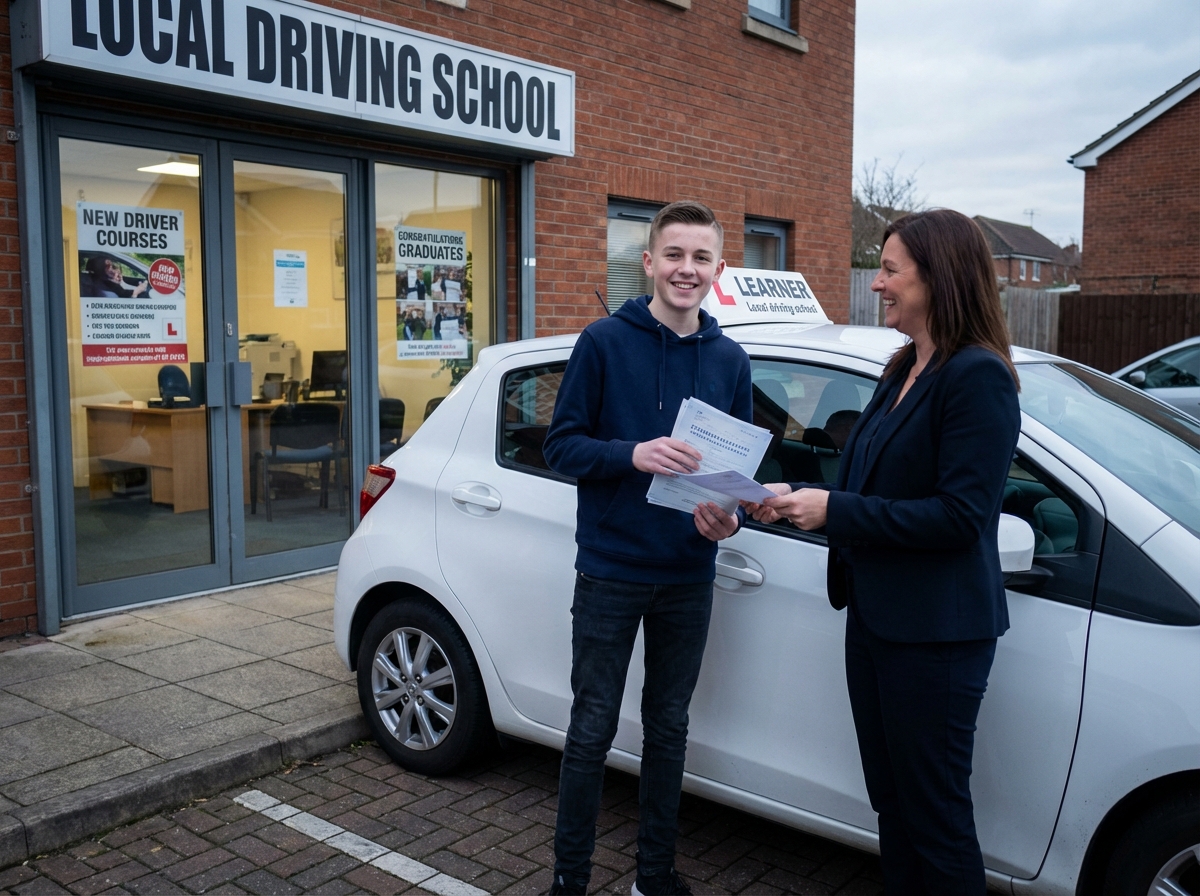
Errors to avoid and the criteria on which you will be evaluated on the big day
On the day of the driving exam, nothing is trivial. As soon as you settle in, adjust the seat, set the mirrors, fasten your seatbelt: every gesture counts. The examiner looks for attentive candidates, not rushed improvisers. A forgotten turn signal or a neglected neutral can change everything. Stay flexible in your driving, anticipate intersections, respect priorities and speed limits. Your management of stress shows at the wheel: jerky movements or hesitations reveal nervousness.
Some common but avoidable mistakes can derail the session:
- Ignoring road safety rules: even a minor infraction can cost you the driving license.
- Poorly managing priorities, forgetting to check blind spots, neglecting signage: all disqualifying faults.
- Imprecise maneuvers: parallel parking, U-turns, reversing. The examiner expects mastery, not haste.
The examiner also evaluates your overall posture: scrupulous adherence to the code, adaptation to the context, courtesy towards other road users. The goal: to show that safety takes precedence over pure technique. In the theoretical test, your knowledge of first aid situations, signage, and road sharing can set you apart.
At every stage of the driving license exam, installation, driving in traffic, maneuvers, questions, nothing should be left to chance. Your success depends as much on your technical mastery as on your ability to inspire confidence through your autonomy and vigilance.
Behind the wheel, every turn, every stop marks the road to greater independence. The driving test is not just a test: it is the first real step towards the freedom of movement. Who will be the next to seize the key?