A neglected maintenance quickly transforms Japanese horsetail into an invasive plant, difficult to contain and sometimes even sanctioned in certain municipal regulations. However, poorly applied pruning practices can weaken the plant, making it vulnerable to diseases or compromising its ornamental appearance. Mastering the botanical specifics of horsetail remains essential to leverage its qualities without risking it becoming a problem for the garden. The recommended techniques vary according to the time of year and the stage of development, which requires careful and rigorous management.
Japanese horsetail: a unique plant to enhance your garden
Originating from Asia, Japanese horsetail, or equisetum japonicum, imposes its unique silhouette in contemporary gardens: straight, segmented stems with no visible leaves, exhibiting astonishing purity. This perennial, heir to an ancestral botanical lineage, intrigues with its graphic appearance and its ability to endure through the seasons without faltering.
It is often found in wet ground, along banks, near ponds, or at the edges of streams. Its preferred terrain: a saturated, sometimes even waterlogged soil, where it can grow freely. Some compare it to bamboo for its vigorous canes, but horsetail retains a particular flexibility and harmoniously associates with ferns, hostas, or ilex to structure refined flower beds.
Nevertheless, Japanese horsetail is far from a tame plant. If nothing curbs its ambitions, it quickly makes itself at home, devouring every nook and disrupting the balance of a space. To maintain control and fully enjoy its presence, it is better to inform yourself about the pruning of Japanese horsetail. This guide gathers precise actions and seasonal advice to act at the right time, preserving the natural momentum without allowing the plant to become invasive.
Whether to border a water mirror, delineate a path, or create a temporary plant curtain, Japanese horsetail charms with its minimalist appearance, dynamic growth, and robustness against all odds. It attracts those aiming for an Asian ambiance or wishing to give a stripped-down and elegant touch to their outdoor space.
What actions to adopt for successful pruning and hassle-free maintenance?
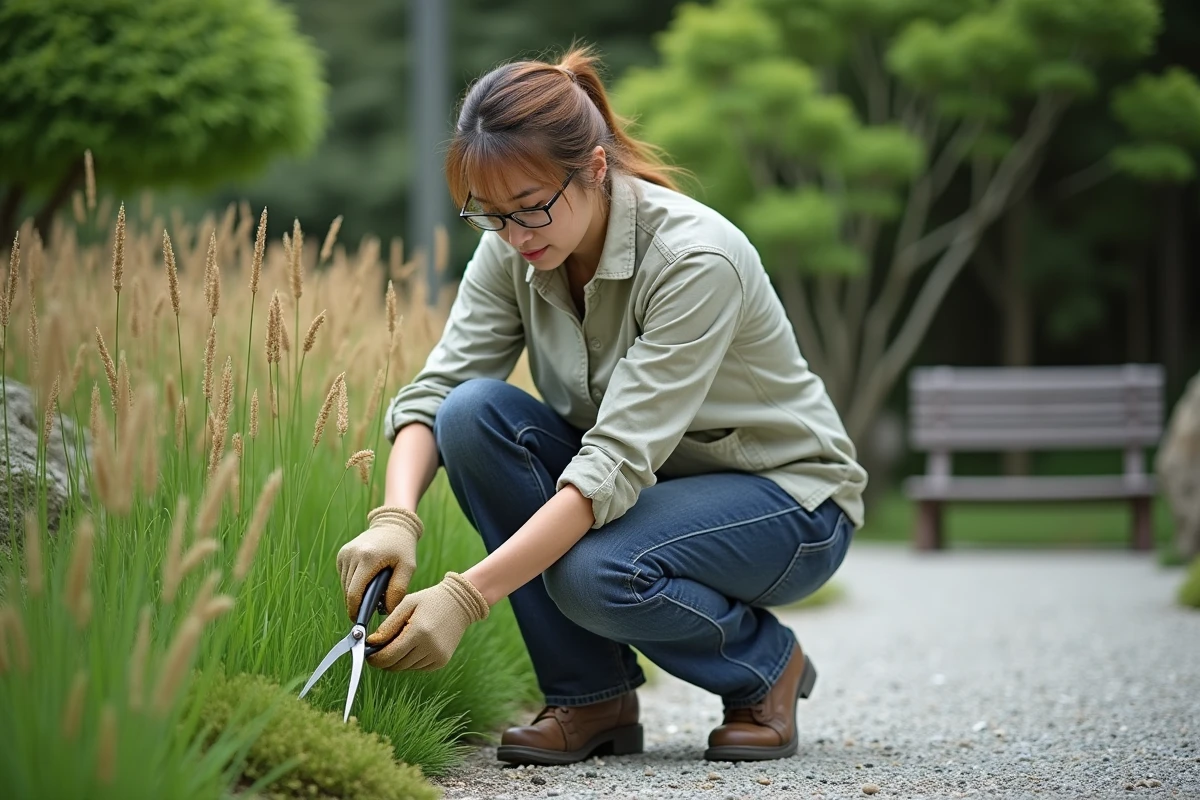
To keep horsetail vigorous while keeping it in check, always start by using clean, well-sharpened tools to cut off damaged or yellowing stems at ground level. Acting as soon as the spring drying begins or at the end of winter encourages regrowth and maintains the upright posture of the plant. A visual check throughout the season allows for easy identification of parts to remove.
The management of rhizomes should not be neglected: every two to three years, plan to divide the clump and remove roots that venture beyond the designated area. If horsetail seeks to gain ground around a water body or in a wet area, installing a rhizome barrier is necessary to contain its expansion.
Here are some practical points to ensure the lasting health of this remarkable plant:
- Watering: keep the substrate moist, especially if the plant is grown in a pot.
- Soil quality: a humus-rich, slightly acidic to neutral, light, and well-drained mix ensures sustained growth.
- Exposure: placing horsetail in partial shade or even in gentle sunlight is more than sufficient to meet its needs.
To create persistent borders or plant horsetail in pots, monitor water supply and site orientation. Regular monitoring ensures dense clumps without untimely overflow, while also enhancing their aesthetic aspect, which remains very neat.
Aesthetic and ecological assets for a harmonious outdoor space
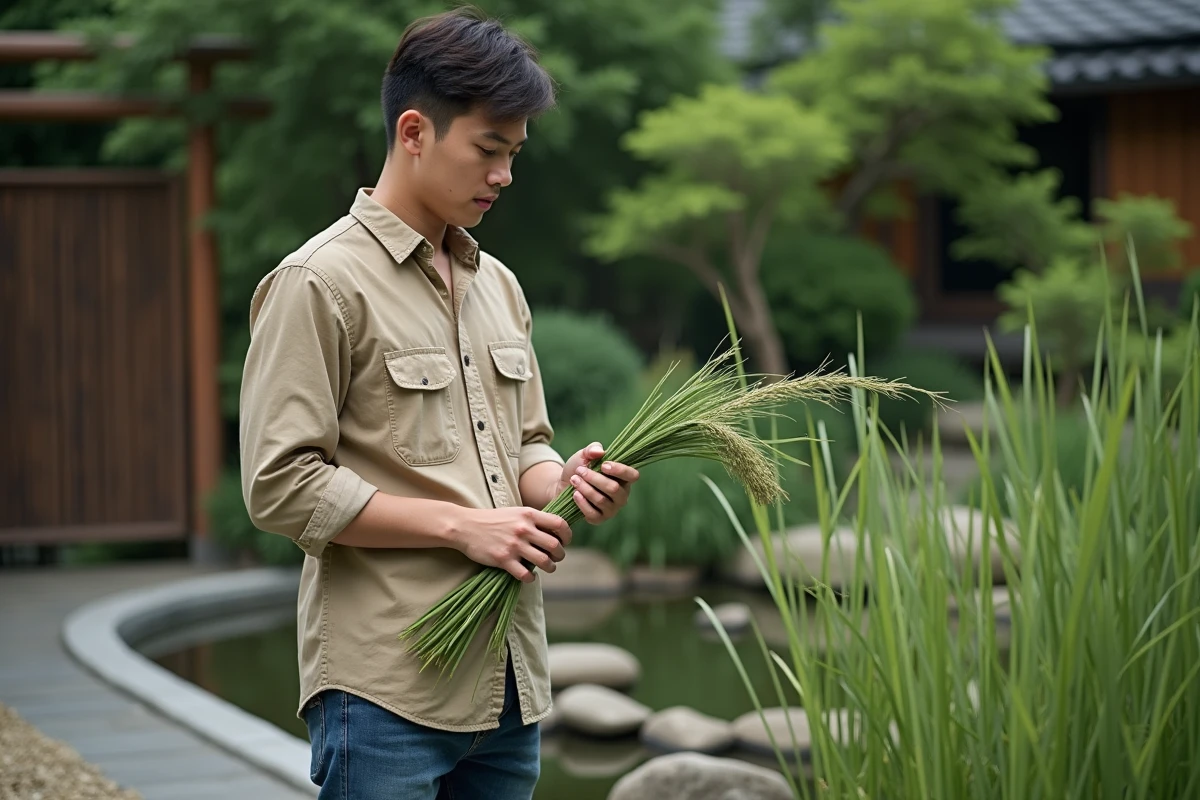
Essential when it comes to bringing vertical rhythm or contemporary contrast, Japanese horsetail structures the edges of ponds and shaded corners with formidable efficiency. It creates understated scenes, highlights the lines of a zen garden, and knows how to showcase its more opulent neighbors like bergenias, Japanese maples, or papyrus. Integrating horsetails, ferns, and hostas offers a graphic palette that evolves season after season.
Horsetail is not just ornamental. It also plays the role of a natural stabilizer, combats erosion by anchoring the soil, and enriches the earth with silica and calcium. Moreover, some experienced gardeners use its decoctions to enhance the resistance of other plants to diseases while preserving soil life.
Here’s an overview of the uses where horsetail excels:
- Ornament: in low hedges, isolated, or integrated into scenes of grasses or mosses.
- Ecological effectiveness: bank stabilization, mulching, supporting natural water filtration.
- Abrasive properties: formerly used to polish wood or metal due to its richness in silica.
With discernment and method, Japanese horsetail establishes itself as a proud partner, sculpting space without ever suffocating it. When evening falls on a calm pond and the upright stems cast their reflections, the garden becomes a moving tableau, animated by an energy that only the attentive mastery of the plant can fully reveal.